 CH | CHF
 Austria | EUR
 Belgium | EUR
 Czechia | EUR
 Denmark | DKK
 France | EUR
 Germany | EUR
 Italy | EUR
 Luxembourg | EUR
 Netherlands | EUR
 Norway | NOK
 Sweden | SEK

'Summit to Sea' - About the hard truth of expectations

A 600-kilometre bikepacking adventure from the Austrian Alps to Split, Croatia
written and photos by Luca Jaenichen
From the mountains to the sea. Around 600 kilometres and 10,000 metres of elevation separate us from our destination. Split, Croatia a coastal town in the lower middle of a far-stretched, rugged, hilly country. When you search for Croatia, you will always find pictures of turquoise beaches nestled between Mediterranean cliffs and photos of beautiful medieval towns perched by the sea. But we wanted to see for ourselves what this country is really made of. To find out, we jumped on our trusted gravel bikes, packed way too many snacks, and headed south. We started by taking a couple of trains to Villach, Austria. Our idea was to skip the parts of the Alps we already knew and instead save those kilometres for the unknown stretch at the end of the trip.

For me, bikepacking is all about exploring - not only the landscape, new routes and untouched terrain, but also getting to know the culture, the people, and last but not least, yourself. In my experience the relationship between time in the saddle and willingness to make new contact follows an exponential curve. In the beginning you are always trying to get your own things together - checking for bags falling off, watching the route, trying to eat and drink enough. You are more focused on yourself. As time moves on, the groove of being out there sets in and allows you to open up more and more. When you are riding solo or in a small group, new contact feels unavoidable - and necessary - to keep your sanity after a couple of days. With some people more than others. Finding ourselves deep in stage one of the theory described above, we make our way up the hills and valleys of Carinthia towards Tarvisio.
Along a wonderfully smooth bike path My girlfriend Cara and I follow what seems to be an old railway line. Old, overgrown train stations and crumbling infrastructure line the route as we roll uphill. A first challenge arises when we realise we forgot to bring a bike lock. After asking around in a bike shop in the last small village, the owner can only offer a large, heavy option we kindly decline. In a small moment of inspiration we check the local convenience store and find a small lock that works just fine. Along a blue-coloured river we fight our way up towards Passo di Predil. Past old mining villages and wartime bunkers our legs take on the first major climb. We reach the border to Slovenia and roll down all the way to Bovec. A quick stop at the supermarket and then a comfortable night in the tent. I brought a 7°C Spark Down sleeping bag and that night I question my choice of temperature rating slightly - though this was planned to be one of the coldest nights of the trip. Cara brought the -1°C version and felt more comfortable.

After a fresh croissant in the morning, we roll along the Soča River, whose deep blue colour pulls us magnetically towards its flowing waters. A quick dip and we are off, fighting through the heinous midday heat. Sadly we don't have time to fully explore the national park this time around.

Supermarkets become rare and villages spread further apart as we continue. At some point we are deep in Slovenia, in what feels like the most rural corner of the country - and a beautiful one at that. Even around the most remote farmhouses, there is something quietly lovely. All day we dodge big thunderstorm clouds building along the hillsides, and in the fading light they shine bright pink and orange as we arrive at the campsite after dusk. We had called the campsite beforehand to make sure it was open and there was space - it was still off-season, but you never know. The man told us he would be around, but when we arrive the reception is already dark.
The next morning we try to reach him again without success, and with no staff in sight we decide to ride out and start our day For the third day we want to cross into Croatia, so we make only a quick stop in Ljubljana or pancakes. Our tired legs are finding their rhythm and carry us through the rolling hills of the Slovenian countryside. What we didn't expect was genuinely good cycling infrastructure, even through the smallest villages. A mix of beautiful green forests and rural hamlets flickers past. What a beautiful country. We expected this of the national parks but are happily surprised by everything in between.

With our last reserves of energy and the last of the light, we arrive in the border village where we plan to stay the night. We had called the campsite before arriving and the owner happily invites us to settle in and pay in the morning. "We weren't expecting anyone it's still off-season," he says. Arriving in darkness, we search for a spot on the grass near the border river. Suddenly an old lady approaches us and asks what we are doing here. We explain about our call with her husband and that we just want to spend the night. Her English is limited and she looks slightly puzzled. "Do you need power?" she asks. Slowly it dawns on us: there are two campsites next to each other and we have gone to the wrong one - apparently the one with the bad Google reviews. Shortly after, we arrive at the site further down the road and find ourselves at a small oasis of creative, hand-carved wooden facilities. We spend our last evening in Slovenia and wonder what lies on the other side of the river.

First thing in the morning? A croissant, of course. We decide to cross the border and head for a small Croatian supermarket instead of cycling back uphill to the Slovenian bakery. In hindsight, the worst possible choice. The gas-station shop turns out to be the last food option for half a day. The selection is stripped back to absolute basics, so we go with some aggressively sweet packaged chocolate croissants that taste like they have been on the shelf since the EU referendum. The route meanders through sparsely populated countryside, and the further we get from the main highway north, the worse the infrastructure becomes. At some point the official road turns into a gravel track and villages turn into ghost settlements.

"Paid by the European Union." Every now and then, a new sign bearing the European flag appears in the middle of nowhere — promoting new forests and the EU cycling network. A funny sight, only topped by a GLS delivery van nearly running us off the road. So people do live here, apparently. A few kilometres later we pass a small farm. Three dogs bark at us from behind their fence. Then a sudden scream from Cara behind me - I turn to see a pack of dogs charging at us in full attack mode. With heavily loaded bikes on a steep uphill gravel section, we give everything to get away. They follow us to the top of the climb before finally giving up. Breathing hard, we continue along the now overgrown farm track. After two more dog chases, we speed down the gravel into a wider valley and arrive at a little river paradise — a group of small waterfalls threading down between green moss and fern, a few wooden boats stranded on the small beach, and the outline of an old mill in the back. A chorus of frogs joins us as we rest. A storm cloud is building, so we hurry to move on. As I grab my bike I notice a flat tyre. I fix it quickly in the long river grass - slightly amazed at how fast the routine has become. With tyre pressure still not ideal, we head uphill to a roadside restaurant next to a busy truck road.
After eating, we rejoin the main road. Spoiled by Slovenia's quiet backroads, we quickly realise that Croatian drivers are not accustomed to cyclists - or simply don't care. Forty-tonners pass centimetres away and nearly wipe us out. With constant honking and a growing fear of becoming part of a windscreen, we take the next exit back onto gravel. This, apparently, is the good cycling network the sign promised us. After another hour, the track spits us back onto the highway and we have no choice but to endure another ten kilometres of traffic. We arrive, visibly shaken, at the edge of Plitvice National Park. Trucks are banned and must detour through Bosnia and Herzegovina, so the last five kilometres feel like relief. The thunderstorm finally catches up and we decide to take a small cabin instead of the tent - a good call.
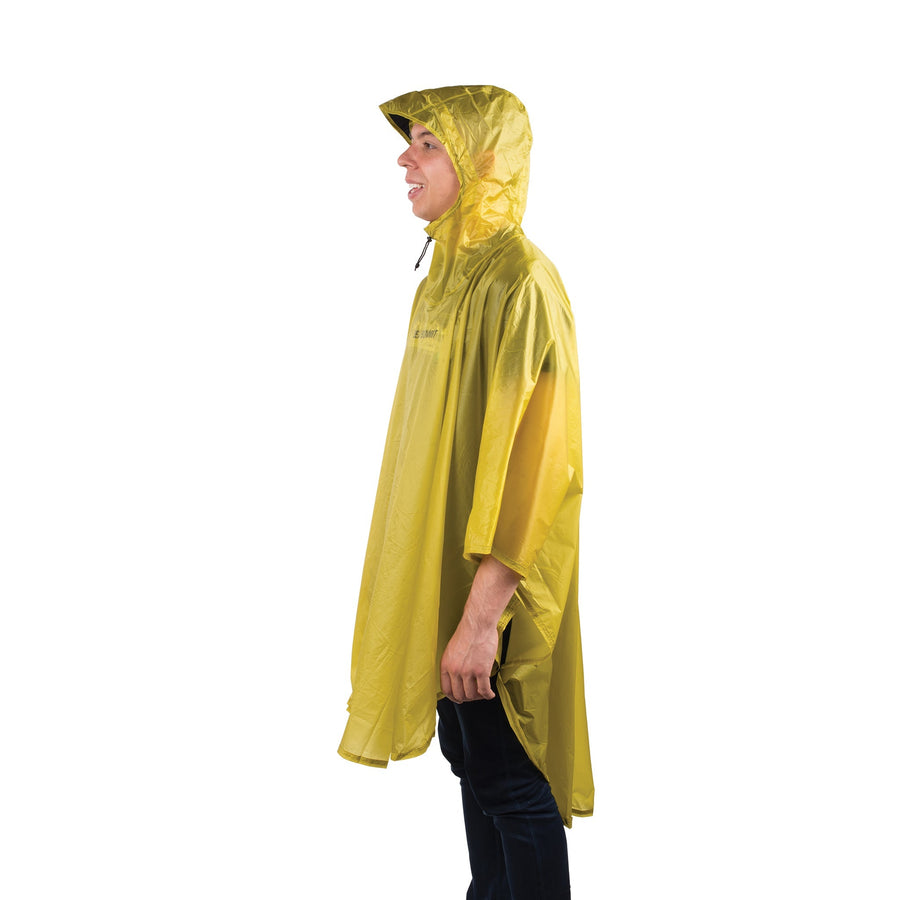
Right as we park our bikes, the rain hits. We start the day with a fresh croissant from the campsite shop. Everything is still wet from the night's thunderstorms and the slowly warming air smells of freshly cut grass. A quick look at the weather forecast gives us pause: 17°C and cloudy until 10am, then light rain until noon — and then 3°C with thunderstorms at 1pm. With a stubborn mix of "it's just a bug in the app" and "even if it happens, we're in civilisation and can sort it out", we set off on the first metres of our climb towards Plitvice. For the first time since entering Croatia, we navigate a proper side road through dense bushland. A low black cloud hangs over the valley, pressing down heavy and close. We pull on our rain jackets and push on under a light drizzle.

Further up, where the farms thin out, the national park's dense forest takes over. A last herd of sheep bolts in front of our wheels and disappears into a nearby shed. Then the climb leads us into some of the greenest forest I have seen in years — tall, 20-metre trees lining a half-overgrown asphalt road that winds up into the hills. At the top, a canopy ofn leaves filters the light and keeps the rain off. No one else is here. The smell of wet forest and wild garlic is intense. Somewhere out there live around thirty brown bears.On the descent, deeper into the forest, the road deteriorates. Our smooth ride comes to an abrupt halt when we find massive fallen trees blocking the road with no way around. We find a longer detour along a string of lakes.
At the bottom lies a small village — a relic of better times, some buildings still inhabited, others dark and empty. A broad-winged bird glides through the treetops. The rain now starts hammering down, temperatures plummet within minutes. We find a dry spot to pull on our rain trousers and secure the electronics.The moment we turn back onto the main road, the weather makes clear who is in charge. Hail and rain, driven by wind and rolling thunder, blast down on us. Within seconds we are soaked through, hands red and freezing. We pedal from one shelter to the next. We even try an abandoned house that still looks relatively new — locked. Shaking now, lightning closing in, we make a sprint for a restaurant we can see nearby. Cold rain and snowflakes sting our faces and our fingers can barely hold the handlebars. BOOM.Lightning strikes close.

We stumble through the restaurant's door and peel off our wet layers. Six men in the corner stare at us. Outside, the snow has begun to settle. The waiter eventually comes over and switches on a radiant heater. He seems unenthusiastic about serving two drowned cyclists, but he brings us burgers and hot tea. We attempt to dry our socks under the toilet hand dryer. It is not fast. Quickly running out of options, we book a direct intercity train from this very rural village to Split. We had wanted to ride further, but we weren't prepared for a full winter rewind, especially over multiple days. After two hours, we are the last people in the diner. We thank the waitress, who is already cleaning everything but our table, and head back out. Ploughing through muddy snow, the evening sun breaks through the cloud and we watch children starting a snowball fight outside. We coast down the last few metres to the old train station - cold again, everything wet again. In the village, every second house looks deserted: no windows, overgrown terraces, but none vandalised. This village has seen better times.
After another hot tea and regular delay-checking, we try the train company's hotline - 40 cents a minute. The woman on the line tells me the train will leave Zagreb, its starting point, in ten minutes. Then: "Yes, train is late. 4–5 hours. How much exactly? Call us back later." Another two hours pass and, again, we are the last people in the bistro. The waitress's unswerving, almost sadistic optimism - the first genuinely warm contact we felt in Croatia stays with me. Back at the station, still alone. A glimmer of light appears behind an old shutter. We knock. After a moment, an older man opens the door. The stationmaster. His office is a room full of memories - old newspaper cuttings, old phones, a printer with paper trailing down into a cardboard box behind the desk. And, of course, the famous red conductor's hat. A computer running Windows 98 hums quietly in the corner.

We ask about the train. He looks at the clock, then at us, then picks up the old receiver and dials. A few words, then: "Around 45 minutes." We are relieved. An awkward half-hour passes. We sit in a corner speaking German. He sits at his desk, a Croatian TV blaring from the next room. Every few minutes the five bells on the wall ring - a call. At some point he pulls out his phone and scrolls through Instagram. A soul from another century, stranded in the modern age. "The train is coming." He puts on his red hat, grabs his flashlight and walks out onto the platform. We hear the diesel engine before we see it - hammering through the Croatian backlands for what seems like minutes. Then it arrives: an old locomotive roaring past, impossibly tall from the low platform, and comes to a squealing halt right in front of the stationmaster's light.

We scramble to find the bicycle wagon. A large woman asks where we are going. "Split." With the help of another passenger, we heave our bikes up the one-metre gap into the wagon. Somehow, we have made it. The old locomotive starts up again and pulls three wagons through the dark. We stay close to the bikes at first. Every few minutes someone wanders over to smoke - apparently this wagon is the designated smoking area, forbidden signs notwithstanding, and the large woman - who turns out to be the train manager - doesn't seem to mind. After a few stops, including a thirty-minute pause for a conductor's smoke break, we realise we don't need to worry about anyone. The train is its own small world. We settle into one of the old compartments and close our eyes. Outside, the dark landscape rolls past - wind farms, small villages on hillsides, the rhythmic rocking of the tracks and the horn sounding through the night. I wake to a large head appearing in the darkened doorway. "Split Predgrade - you get off here." A direct voice. No announcement had come over the speakers. She simply remembered every passenger's destination on the whole train. At 2am we step down onto the cold platform. We navigate the last few kilometres downtown and fall into our apartment.
We have arrived back in the future. This trip was a pure rollercoaster. We started with high hopes and ended the cycling section with some real challenges. In the moment we suffered, we cursed, we struggled. And in those moments you rarely realise how funny and banal they will seem later. What bikepacking trip would it be without something out of the ordinary? Bikepacking puts you in the wildest situations - closer to people and to culture than you often expect. The gap between this and an all-inclusive resort, a pre-booked tour, or a group travel package couldn't be wider. We came in expecting the Croatia of Instagram: turquoise coves, five-star hotels, fast WiFi. Not that we wanted any of that - but our expectations still shaped our perception. We live in an age where social media and travel publications can convince you that a handful of images represent an entire country. Sometimes that is true. Often it is not - and the only way to find out is to go. You can't escape reality if you are living it. Bikepacking hands you the full spectrum: the suffering, the absurd, the beautiful, the genuinely funny. And there is always, always, a story to tell afterwards.

Instagram: @lucajaenichen
![[12 Pack] || Wilderness Wipes](http://seatosummit.eu/cdn/shop/files/AWWC_WildernessWipes-12PackWhite_PRIMARY-1200x1200-9239c17.jpg?v=1755780879&width=900)
![[8 Pack] || Wilderness Wipes](http://seatosummit.eu/cdn/shop/files/AWWXL_WildernessWipes-8PackWhite_PRIMARY-1200x1200-9239c17.jpg?v=1755780878&width=900)
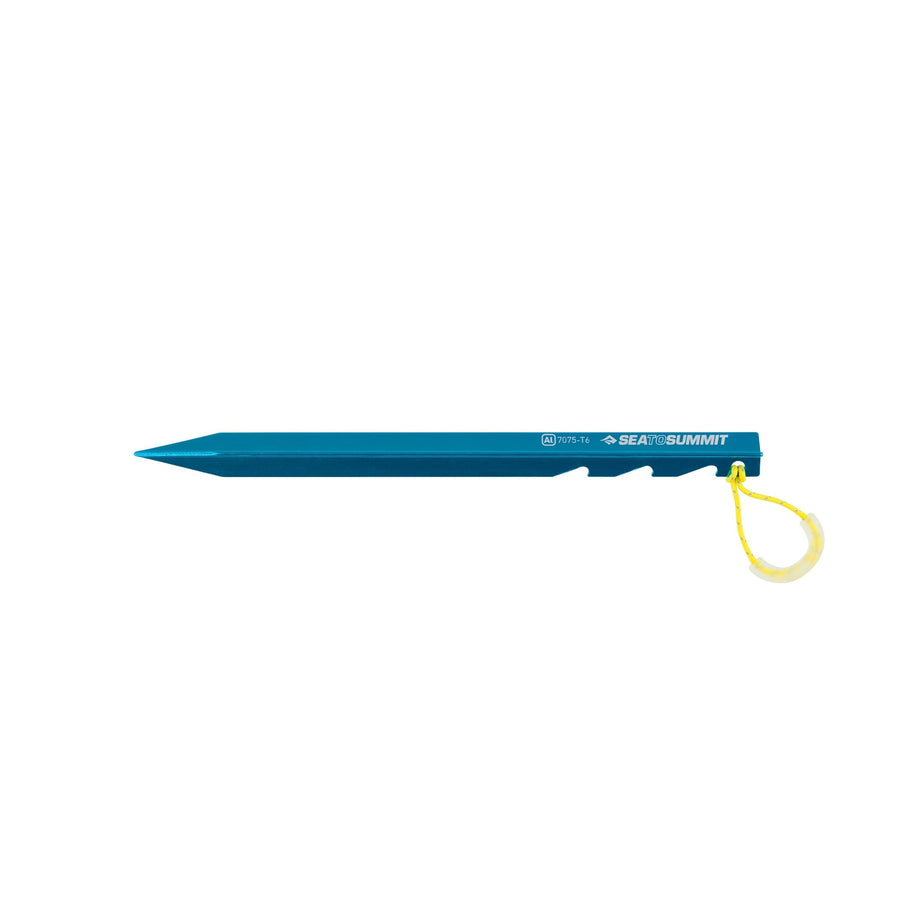
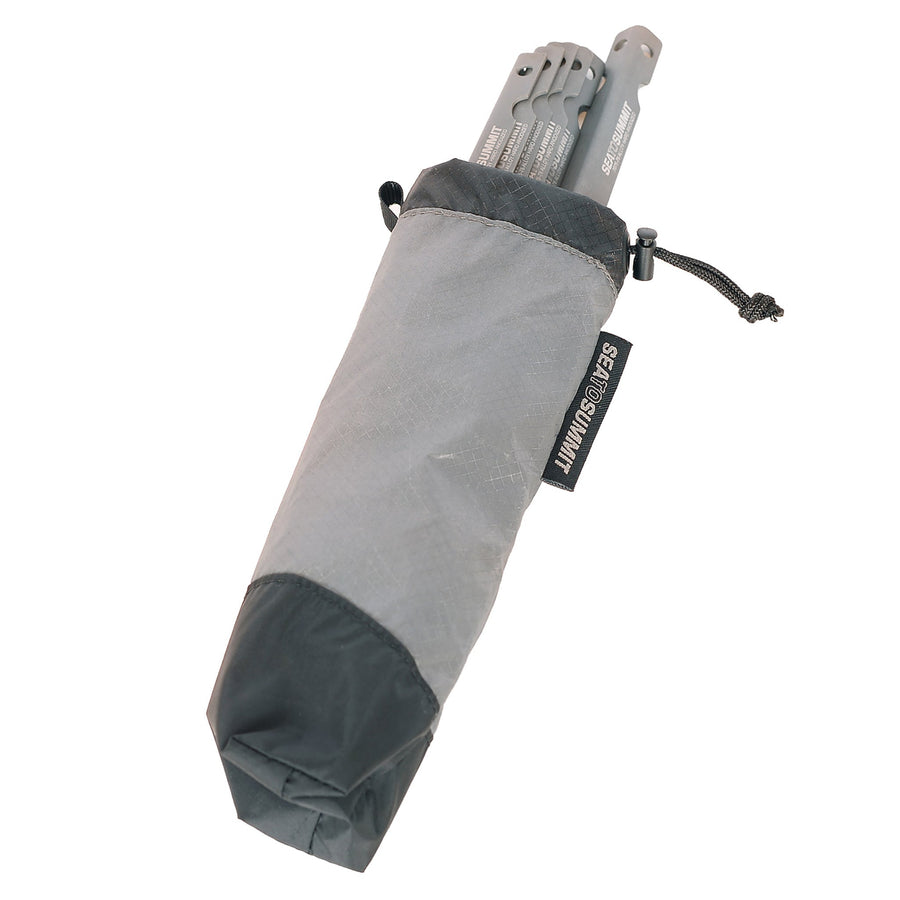
![Ground Control Light Tent Pegs - [6 Pack]](http://seatosummit.eu/cdn/shop/products/PhotoTemplate-01_3e8eda34-b29a-42f6-a848-99cc69777362.jpg?v=1650962712&width=900)
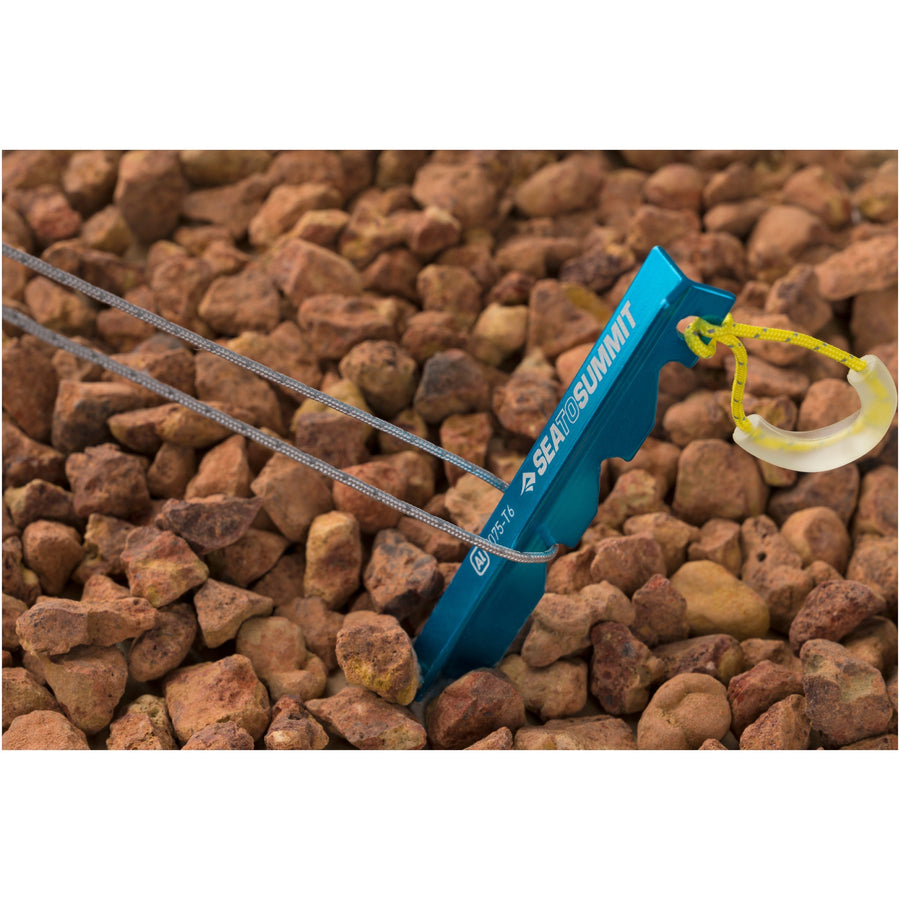
![Ground Control Light Tent Pegs - [6 Pack]](http://seatosummit.eu/cdn/shop/products/PhotoTemplate-02_de966814-4060-4e05-8580-3102090c93ce.jpg?v=1650962712&width=900)


 United States
 Canada
 Australia
 China
China
 India
India
 Spain
Spain
 United Kingdom