 SE | SEK
 Austria | EUR
 Belgium | EUR
 Czechia | EUR
 Denmark | DKK
 France | EUR
 Germany | EUR
 Italy | EUR
 Luxembourg | EUR
 Netherlands | EUR
 Norway | NOK
 Switzerland | CHF

How to Store Your Gear for the Winter
Sea to Summit is a global company, headquartered in Western Australia. Winter in Perth means lots of rain, while our colleagues in the German and North American offices are out enjoying summer. Whichever hemisphere you live in, it’s only a matter of time until you put away your warm-weather gear for the winter. Here are some ways to make sure your equipment will be in perfect shape the following spring…
We saw an article recently about how outdoor gear gets ‘used hard and put away dirty’, as if this were somehow the sign of a hardcore enthusiast.
Well, we would agree with using gear hard – many of us in the company are pretty serious about our outdoor pursuits. But we’re equally serious about not putting equipment away dirty, or wet, or packed inappropriately. After all, we want it to work perfectly the next time out.
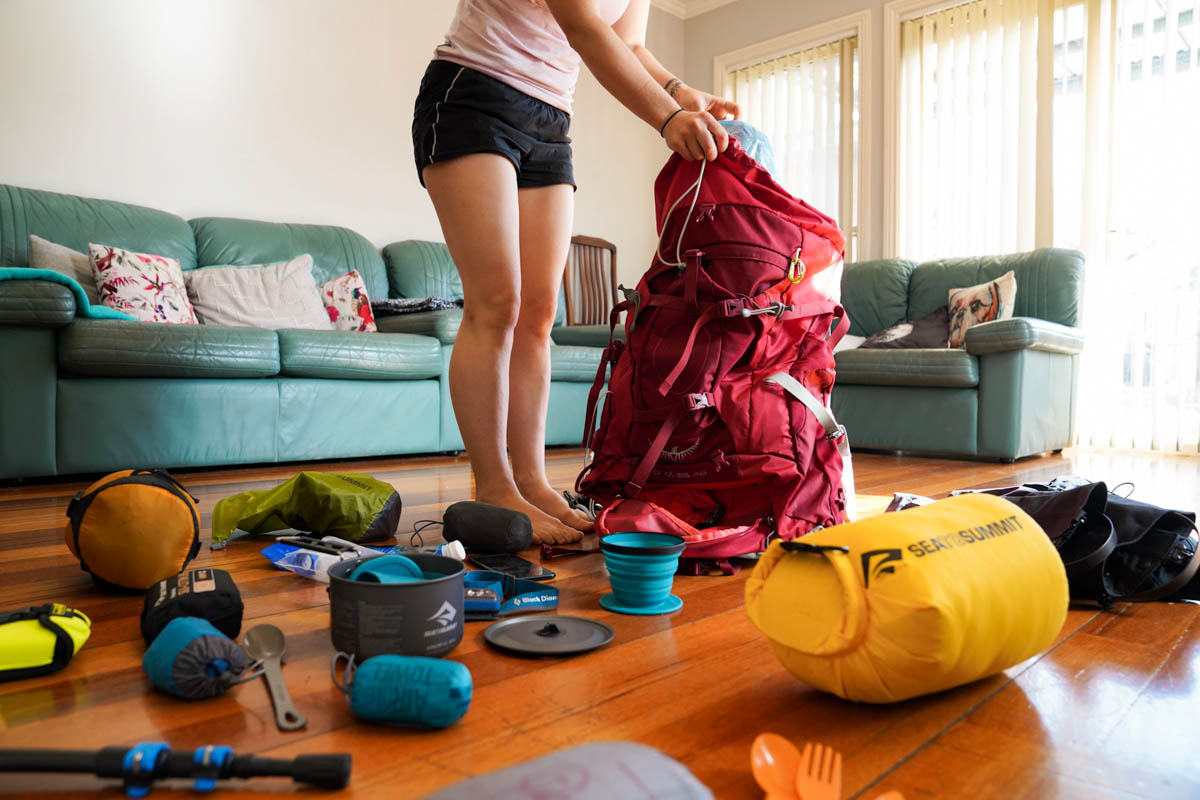
Here are some tips for long term storage of your gear:
Dry Bags / Stuff Sacks
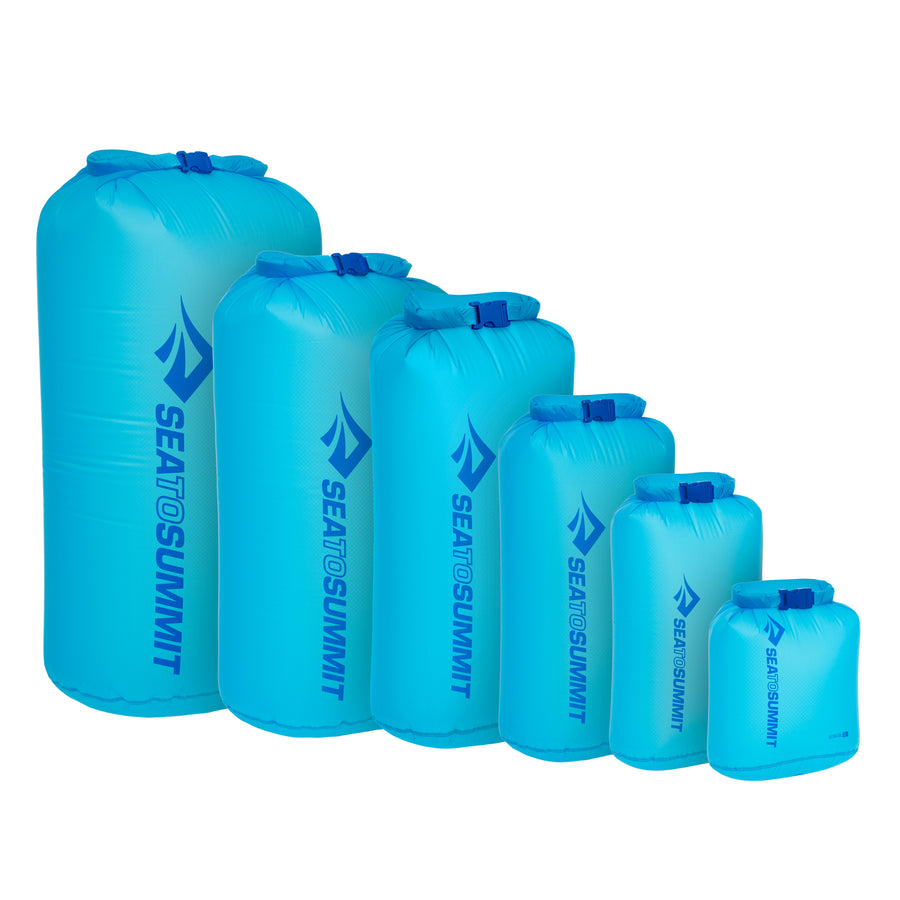
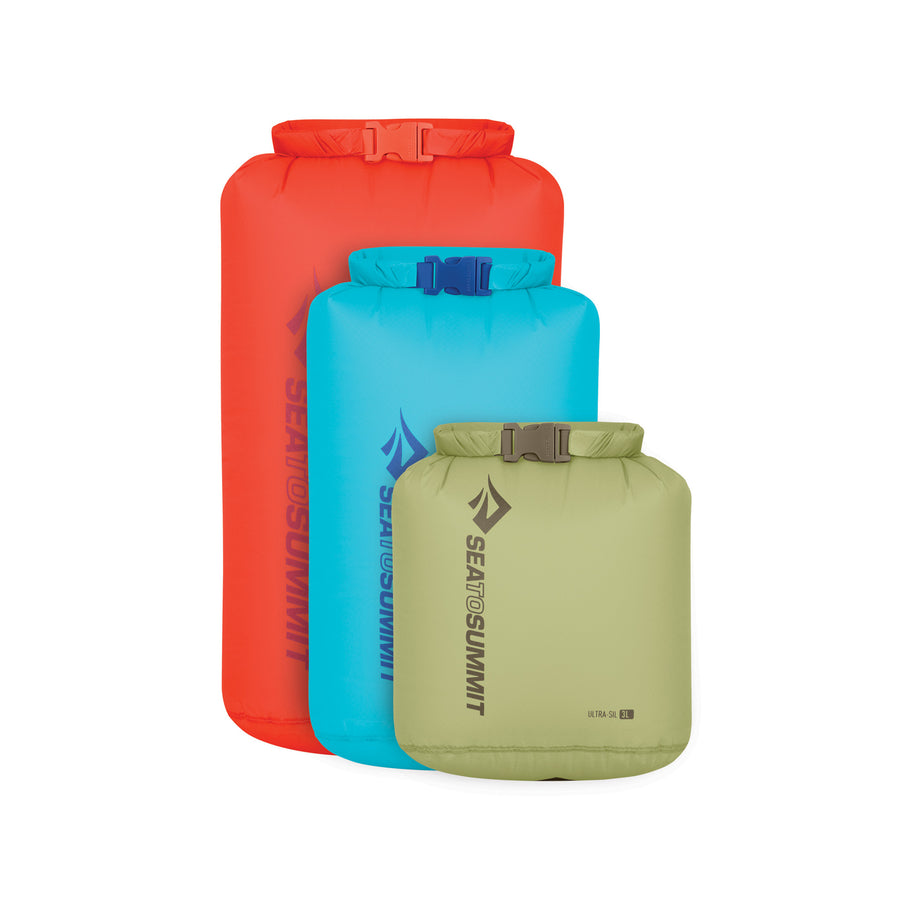
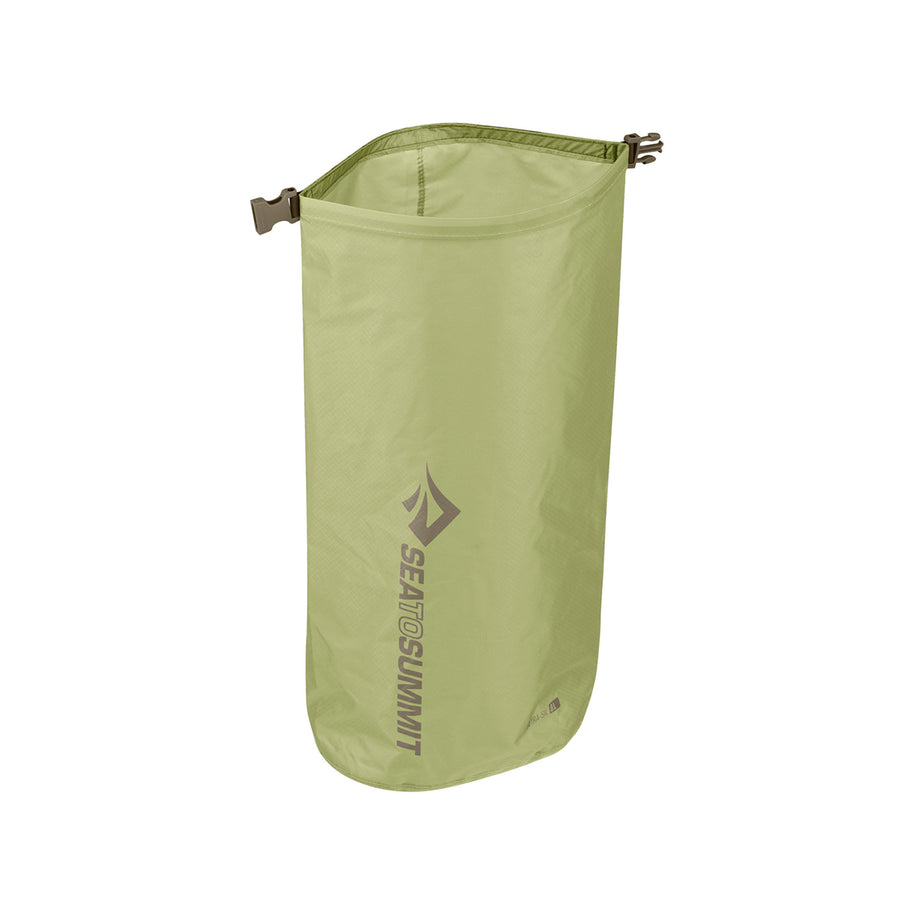
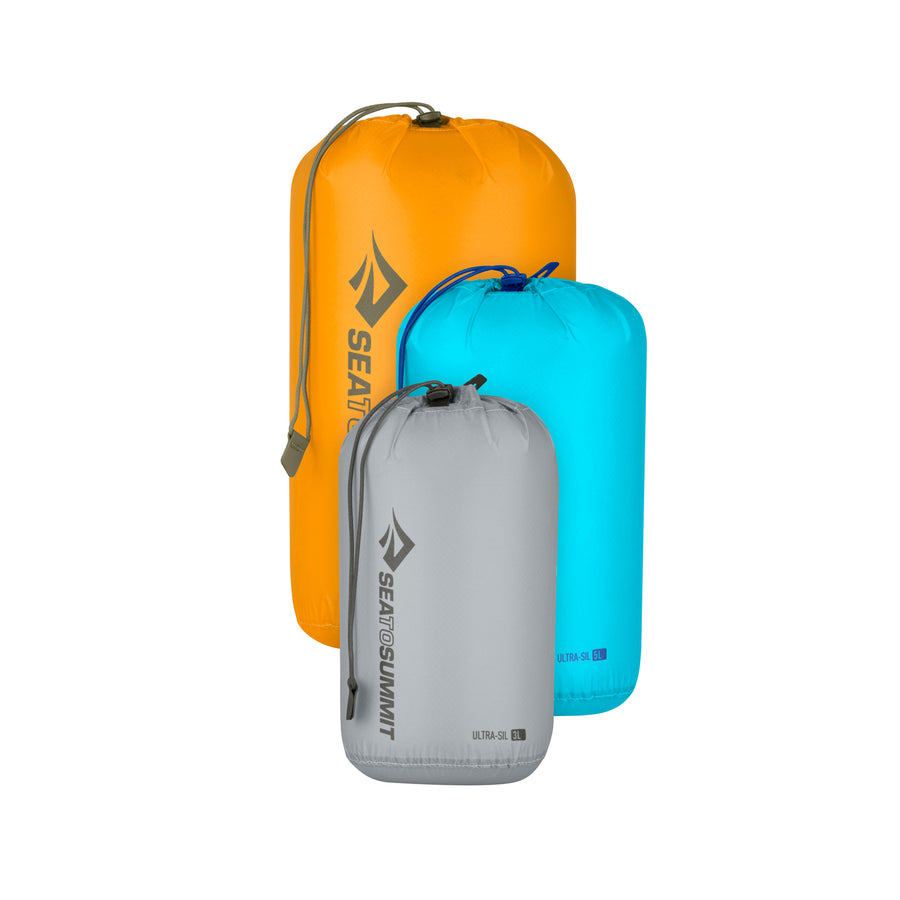
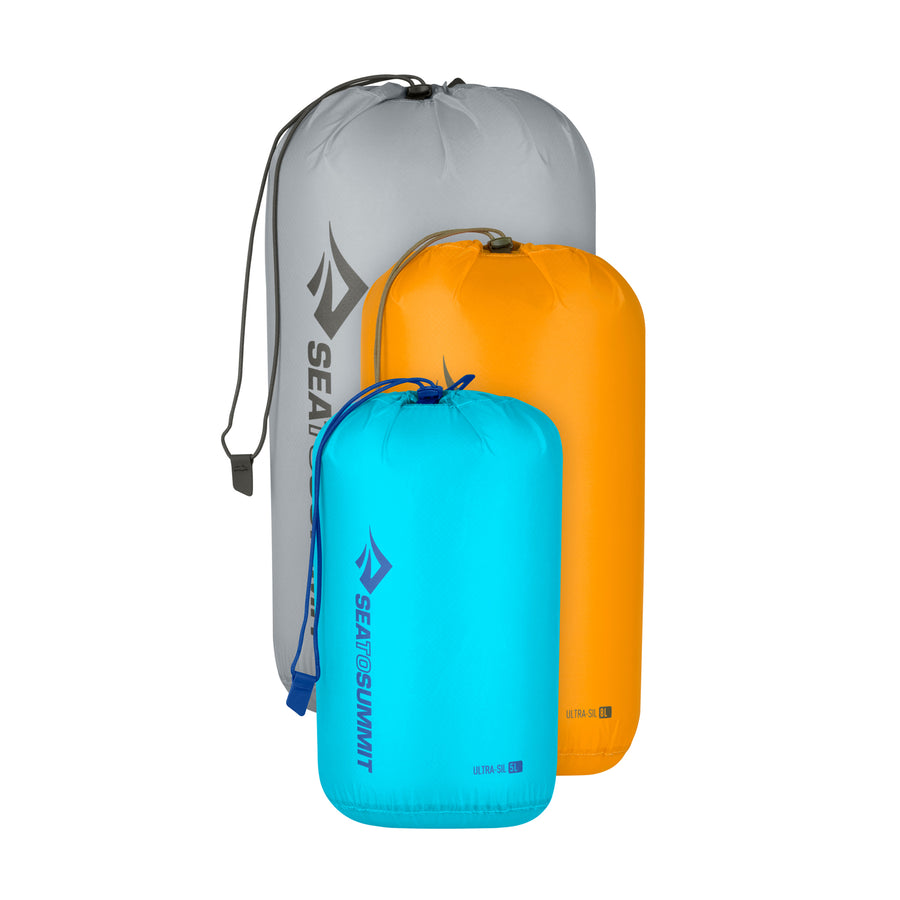
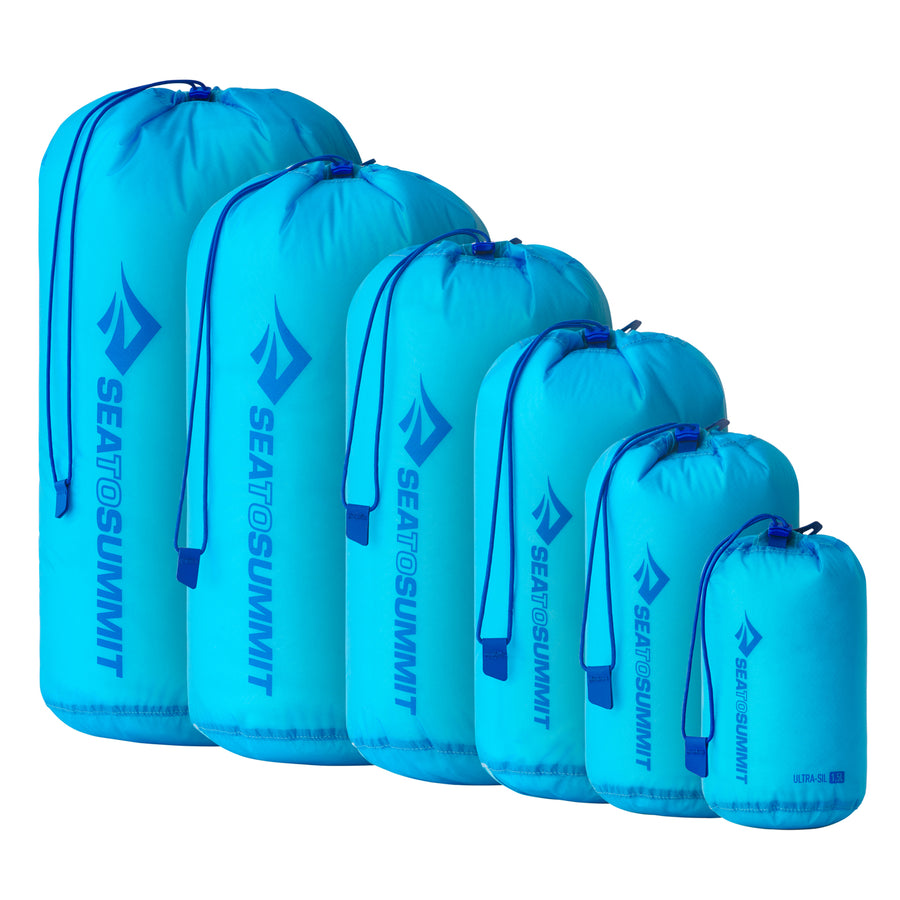
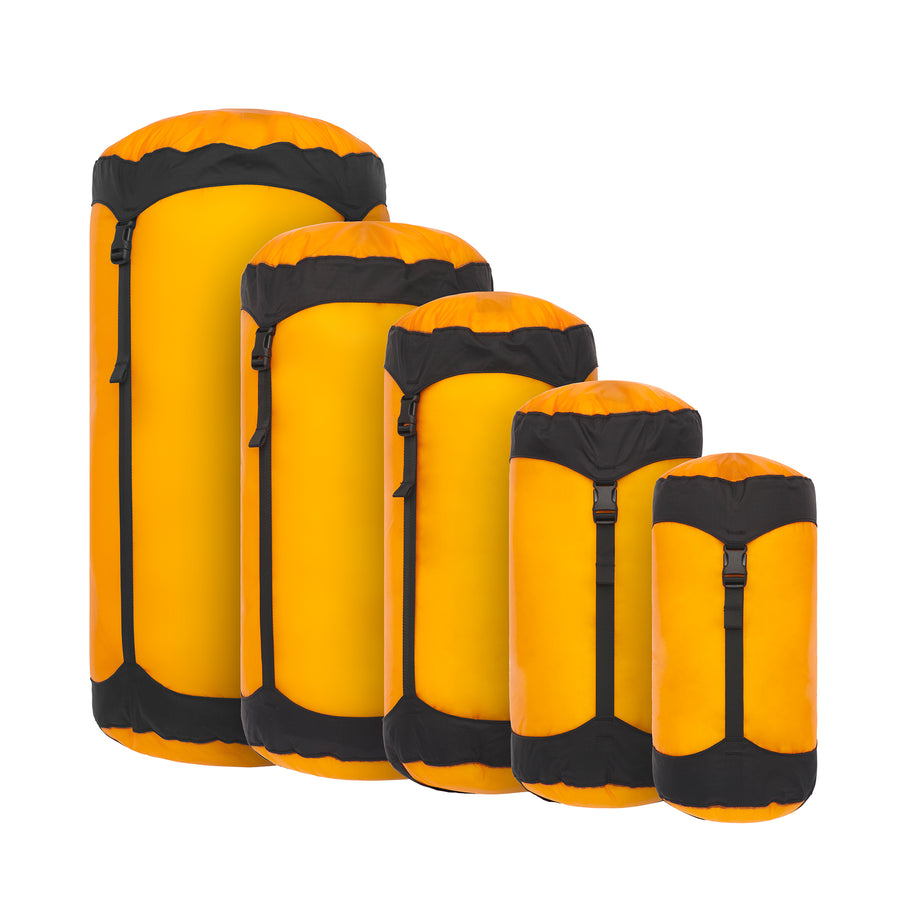
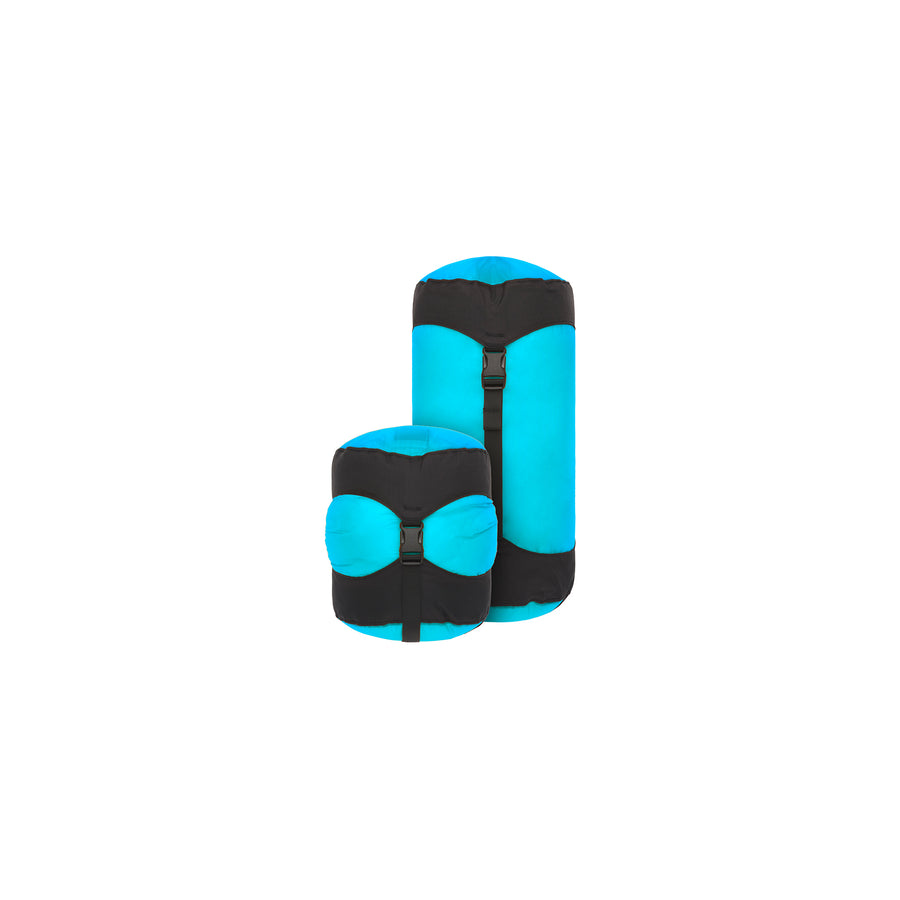
Hand wash your dry sacks and stuff sacks using a non-detergent soap (such as Wilderness Wash). Air dry them thoroughly (turn them inside out, allow to dry then turn them right-side-out and allow to dry). Fold large bags loosely and pack them in a container which allows air circulation. Store in a cool, dry place.
On the subject of cool, dry storage, see “Storage containers” below
Sleeping Bags
If your sleeping bag requires washing (which, if you have been using a liner, may not be the case), carefully follow the instructions here. Even if the entire bag is not washed, sleeping bag zippers will benefit from being cleaned (a canister vacuum cleaner works well for this) and lubricated with silicone spray.
Sleeping bags should be stored uncompressed (the zippered storage pouch provided with Sea to Summit down sleeping bags is ideal) in a cool, dry place.

Sleeping Mats
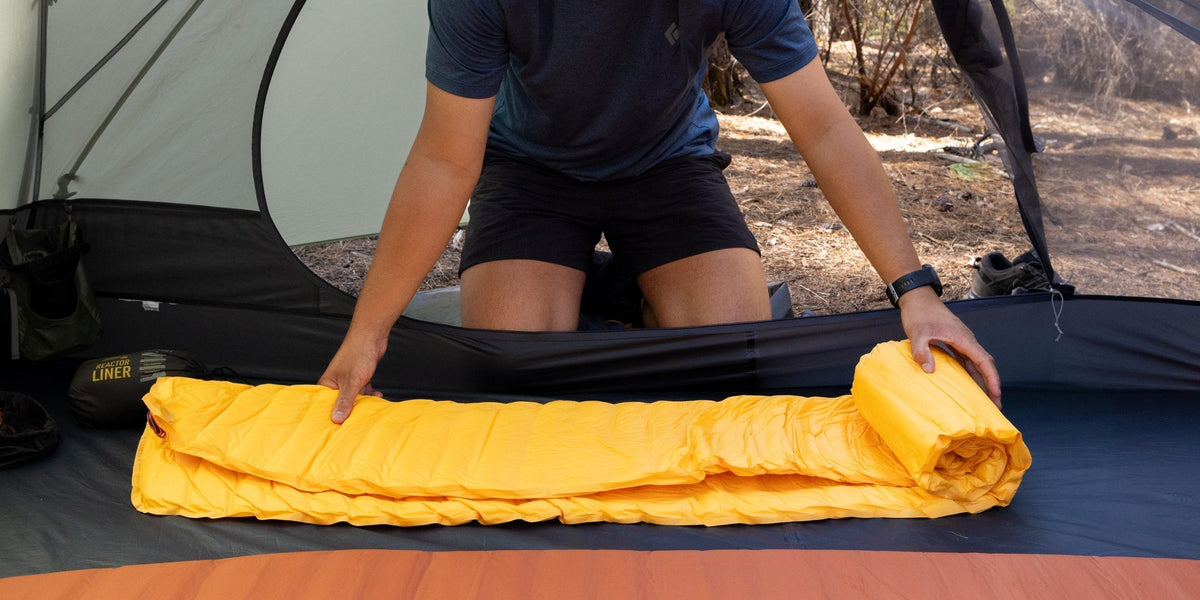
It’s easy to forget that a sleeping mat can be damp after a night in a tent – condensation can form between the mat and the cold tent floor. If your mat is even slightly damp, it should be dried thoroughly before storage – otherwise, mold can form on the outer surface of the mat. The most important point is to not store your mat tightly rolled in its stuff sack. Fold it loosely, open the valve and keep it somewhere dry (Pro-Tip: folding it over on a hanger and storing it in your closet works great).
Liners
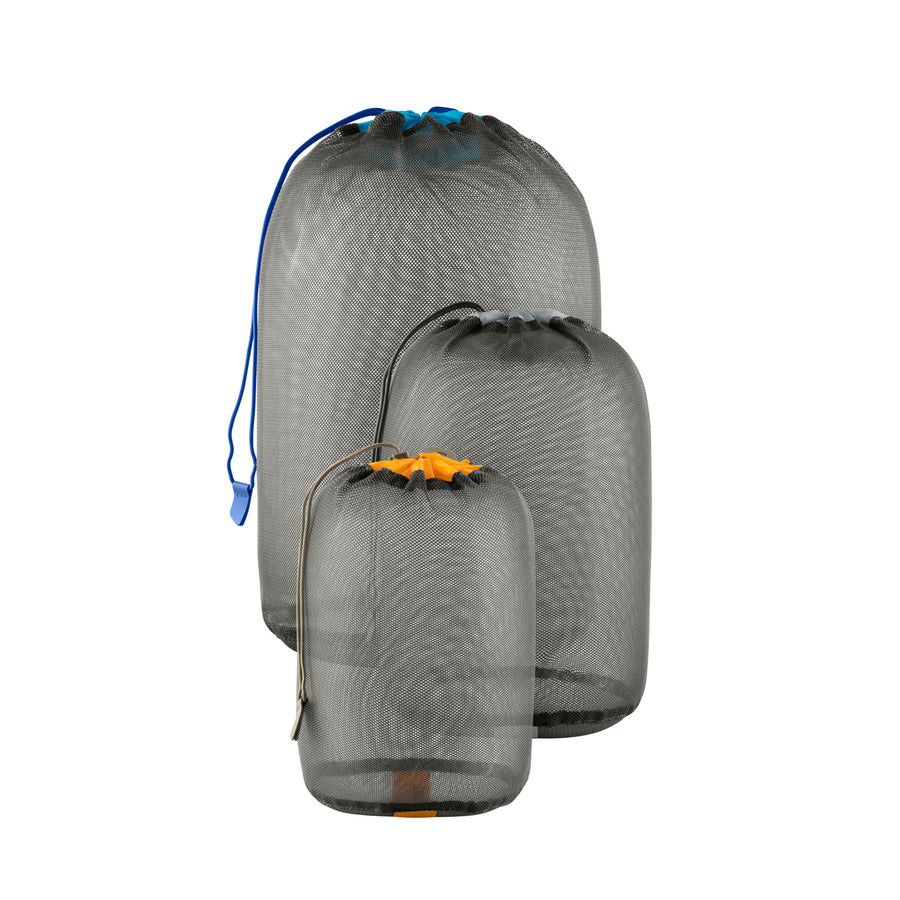
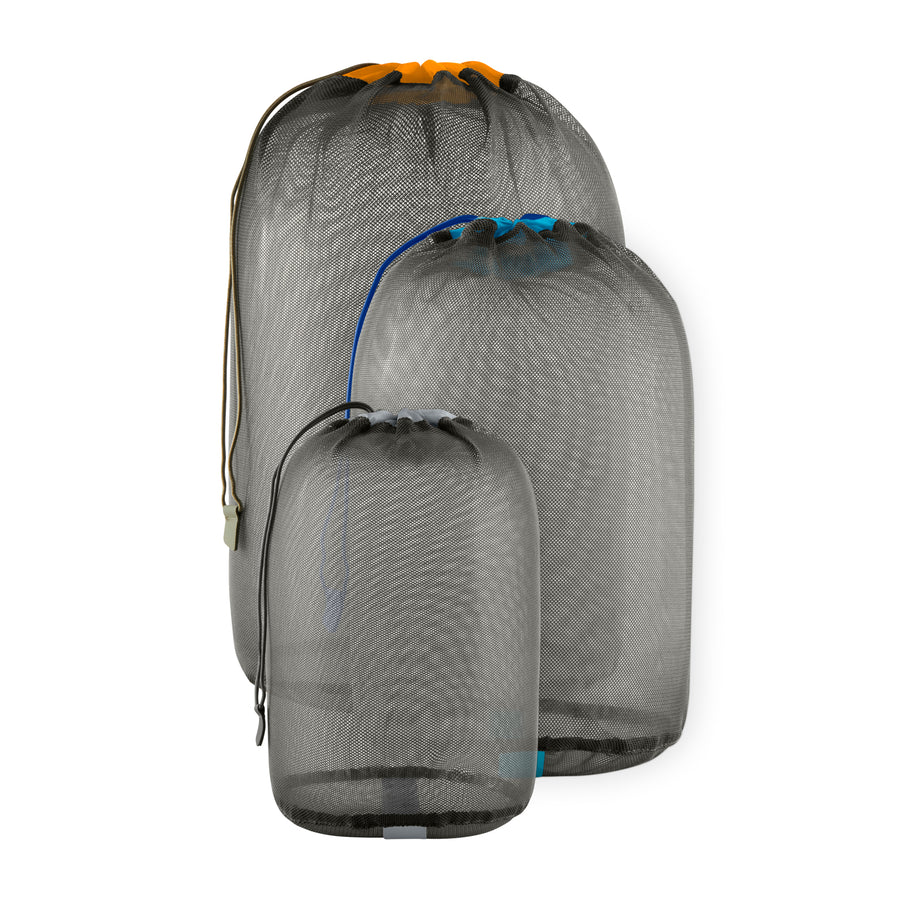
Liners are easy to take care of. They can be washed in a washing machine with normal laundry detergent (although if the liner has a drawcord, it’s worth putting the liner in a pillowcase or mesh bag to stop the drawcord becoming tangled in a top-loader machine impeller) Avoid fabric softeners, as they will reduce the wicking capabilities of the fabric. Air-dry the liner (silk or silk-blend liners, in particular, should not be put in a dryer). Once the liner is thoroughly aired it can be packed back into its stuff sack and stored somewhere dry.
Pillows
If you would like to clean your pillow before storage, you’ll find detailed instructions here. When you are sure that the pillow is completely dry, store it laid flat with the valve open in a dry place.

Cookware/Tableware
Please remember that anodized aluminum cookware (including Frontier and Detour) and cutlery cannot be washed in a dishwasher – the caustic cleanser used in a dishwasher will damage the anodized surface.
Tarps/Shelters
Make sure your shelter is thoroughly dry. If the shelter has zippers, cleaning and lubricating them is a good idea (see Sleeping Bags above). Do not store them rolled/stuffed into their stuff sacks: this can cause damage to urethane-coated fabrics. Fold shelters loosely and store them in a dry place
Storage containers
When you are choosing containers in which to keep your gear, remember that some storage containers seal effectively airtight. Avoid this kind of container for any type of coated or seam-taped fabric – it can lead to humidity being trapped along with the gear which may cause damage to those coating or seam tape. A container which allows air to circulate is preferred.
While you have that can of silicone spray (from lubricating zippers) in your hand, now would be a great time to spray the bindings on your skis and snowshoes and the pivots on your ski boots for squeak-free perfect performance.
Then – wax your skis, treat your ski jackets, pants and gaiters with water-repellent products like Grangers Clothing Repel or Down Repel and get ready for winter!
See you out in the backcountry!
![[12 Pack] || Wilderness Wipes](http://seatosummit.eu/cdn/shop/files/AWWC_WildernessWipes-12PackWhite_PRIMARY-1200x1200-9239c17.jpg?v=1755780879&width=900)
![[8 Pack] || Wilderness Wipes](http://seatosummit.eu/cdn/shop/files/AWWXL_WildernessWipes-8PackWhite_PRIMARY-1200x1200-9239c17.jpg?v=1755780878&width=900)
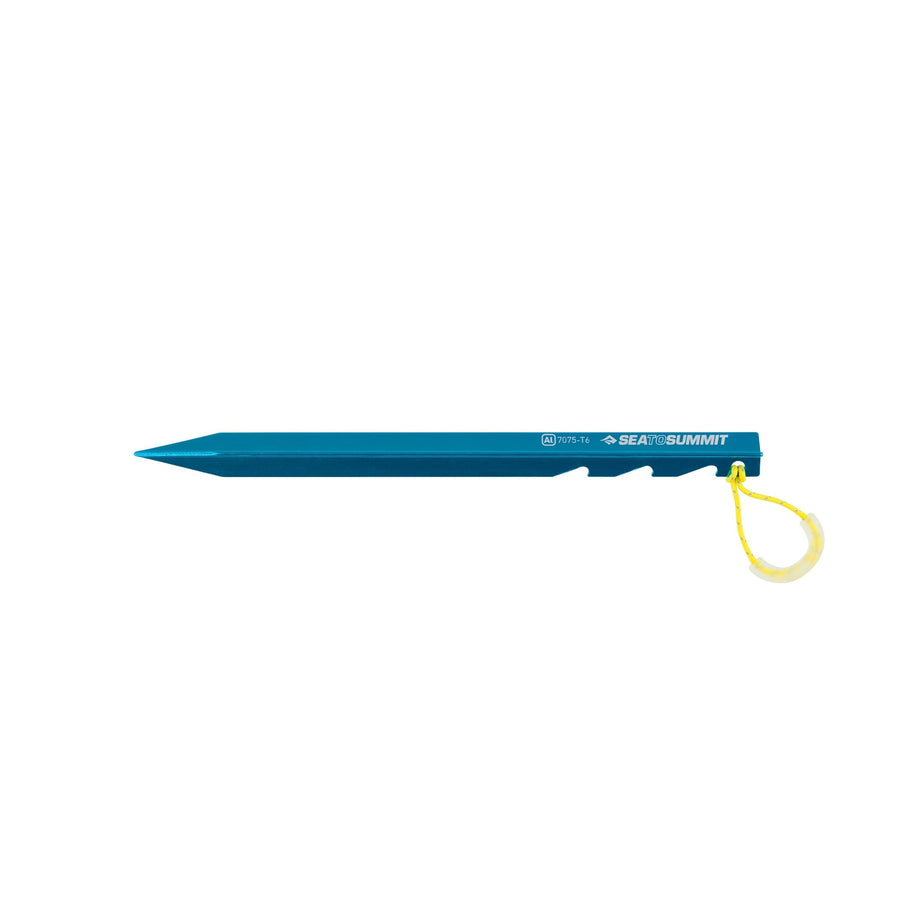
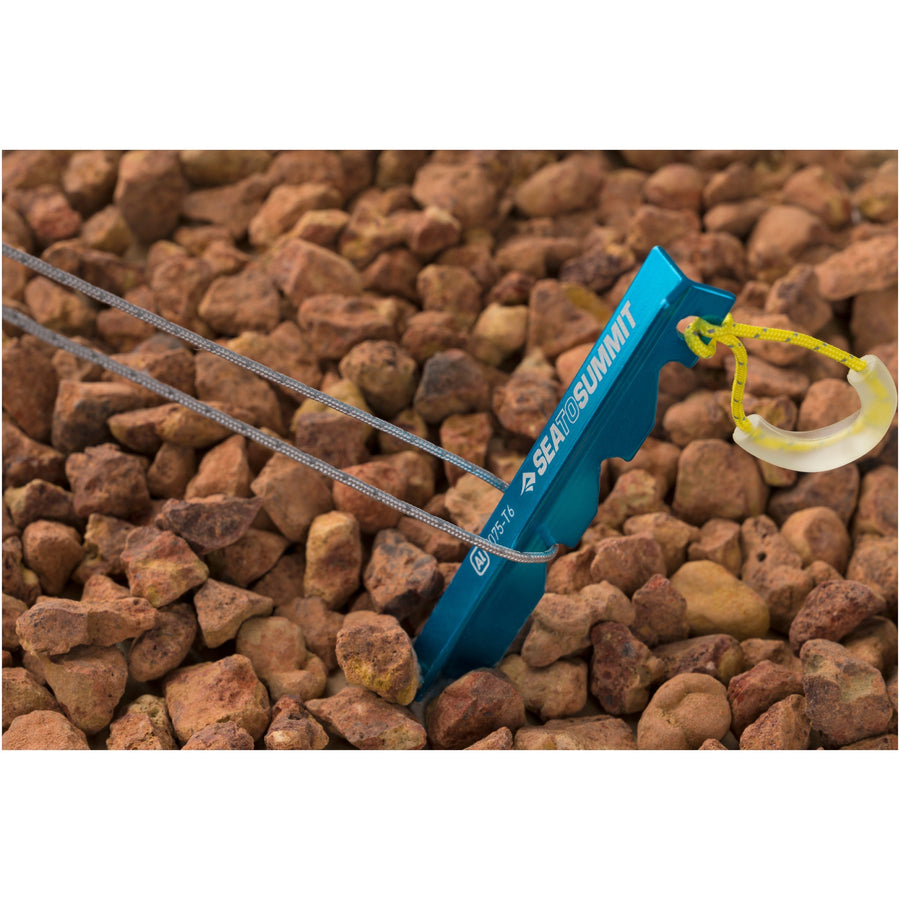
![Ground Control Light Tent Pegs - [6 Pack]](http://seatosummit.eu/cdn/shop/products/PhotoTemplate-01_3e8eda34-b29a-42f6-a848-99cc69777362.jpg?v=1650962712&width=900)
![Ground Control Light Tent Pegs - [6 Pack]](http://seatosummit.eu/cdn/shop/products/PhotoTemplate-02_de966814-4060-4e05-8580-3102090c93ce.jpg?v=1650962712&width=900)


 United States
 Canada
 Australia
 China
China
 India
India
 Spain
Spain
 United Kingdom