 CH | CHF
 Austria | EUR
 Belgio | EUR
 Cechia | EUR
 Danimarca | DKK
 Francia | EUR
 Germania | EUR
 Italia | EUR
 Lussemburgo | EUR
 Norvegia | NOK
 Paesi Bassi | EUR
 Svezia | SEK

"You purchase. We donate." But where exactly does the money go?

In August 2025, our "Give Back" month, we donated five per cent of our net sales from the online shop www.seatosummit.eu to an NGO, just like last year. This time, we supported a project in the Bavarian Forest, organised by the German initiative "Bergwaldprojekt" (Mountain Forest Project). As a project participant, I – Meike from the European Sea to Summit team – was able to learn what exactly the money was used to achieve.

Group of participants on their way back to the forest hut
Start of the project week
Upon arriving at a forest hut on the edge of the woods in the small town of Balderschwang in Bavaria (Germany), I met the group – a motivated team of 14 volunteers, the project manager and a cook. The participants, from different generations, came from all over Germany, all with different backgrounds, but united by their motivation to make a difference together. I immediately noticed that there was a positive atmosphere in the group, with everyone pitching in and supporting each other.
"The Mountain Forest Project week was diverse, horizon-broadening, rewarding, challenging and fulfilling."
– Lena, participant in the Mountain Forest Project week
Work assignment and results in the forest
This motivation was also evident during the working days. After being woken up at 6 a.m. and having breakfast together at 6:30 a.m., we started work shortly after 7 a.m. We worked on the site until around 4:30 p.m., interrupted only by two delicious breaks (a second breakfast and a hot soup for lunch).

Yews, ready for planting
The week began with a day of tree planting. 600 yews were newly planted in the forest. We also protected silver firs from browsing on a total of twelve hectares of forest. The reason for this is that red deer like to eat the leading shoots of silver firs, as this is where most of the nutrients are concentrated. However, without the leading shoot, the fir can no longer grow normally. We therefore searched for the firs and covered the leading shoots with sheep's wool. The wool deters the red deer from eating the firs and thus helps to protect the growth of the silver firs. We also maintained around 1.5 hectares of mountain forest, where we formed rots of spruce trees. There were too many spruce trees in one area, so we removed a few to create open spaces. These free fields provide a new ecosystem for insects, amphibians and grouse, among others, and also offer space for snow deposits in winter. We used the material from the felled trees to create secondary biotopes – small mounds of branches under which capercaillie chicks can hide – and to build fence posts.

Protecting silver firs with sheep's wool
Some of the work was physically very demanding, the terrain was rough and the weather unpredictable, but giving up early was never an option for us as a group. The awareness that we could make a direct difference to forest dieback helped us to achieve this amount of work – and still have fun doing it.
"Work for body, mind and soul – and of course nature!"
– Sönke, participant in the Mountain Forest Project week

Processing surplus spruce trees to create open spaces
Throughout the week, we were guided every step of the way, with explanations of the structures in the forest, our actions and their effects. The ‘Bergwaldprojekt’ places great emphasis on helping participants understand the forest as a whole, so that the interrelationships – for example between tree and animal species – become clear. We could ask the project manager anything that was still unclear at any time, and there were always additional explanations. Also, our project manager took the time to give two evenings of in-depth lectures on the current situation of German forests.
My personal highlight
This is what I personally liked best about the week: the entire project week is holistically focused on nature conservation. This is not limited to activities in the forest, but also extends to other areas. For example, all meals were cooked using mainly regional and seasonal ingredients, arrival by public transport was encouraged with a climate ticket, and most of the work was done by hand without machines.
We concluded the week with an excursion to a nearby mixed mountain forest, which showed us what an optimally equipped forest can look like: small and large trees of different species, such as silver fir, mixed with sycamore and spruce, covered with lichens and home to many animal species, such as various birds, ants and wild animals. This rounded off the project week, allowing us to see what the work can achieve and the direction in which we have contributed.

Breakfast break on the mountain
Together for a better world
One thing in particular struck me during the project week: together, we can achieve so much. And I don't just mean in terms of the hectares of forest we have changed. But also in terms of our collective mindset. A week surrounded by motivated people who want to work together for the right cause gives us hope and motivation to work step by step towards a shared future. Even beyond the ‘Bergwaldprojekt’ week.
And so, I am glad that we at Sea to Summit supported this project week with a donation so that it could be realised. Thank you to everyone who made an important contribution by placing an order in August at www.seatosummit.eu.

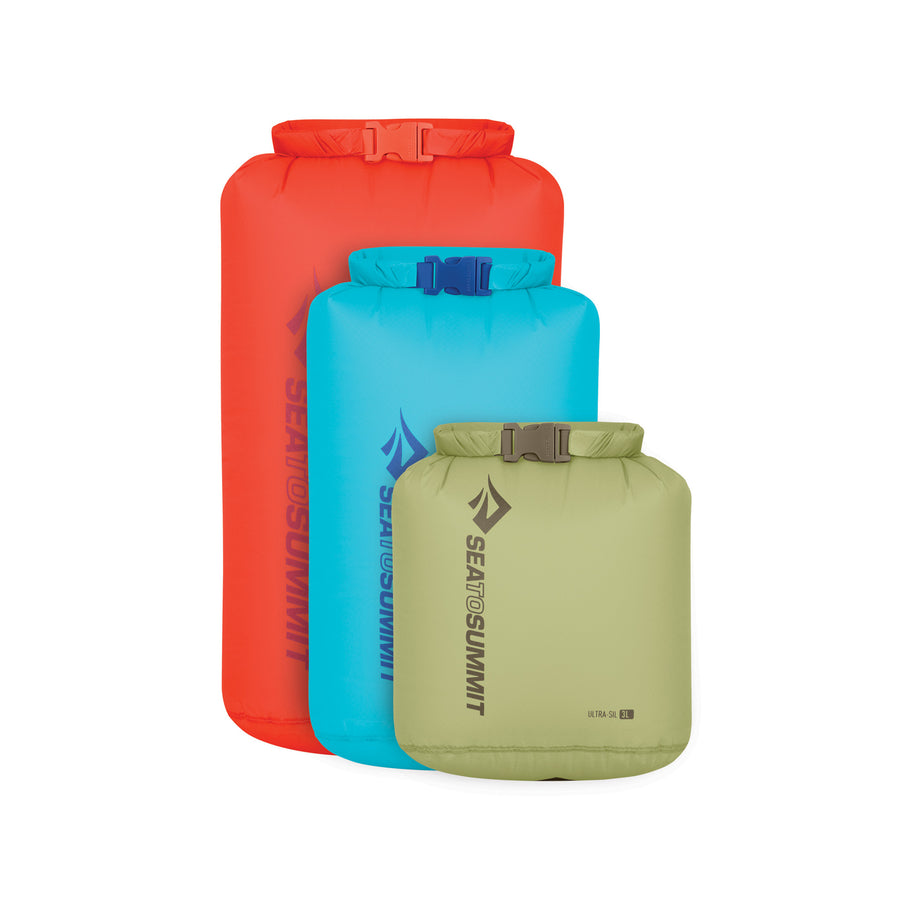
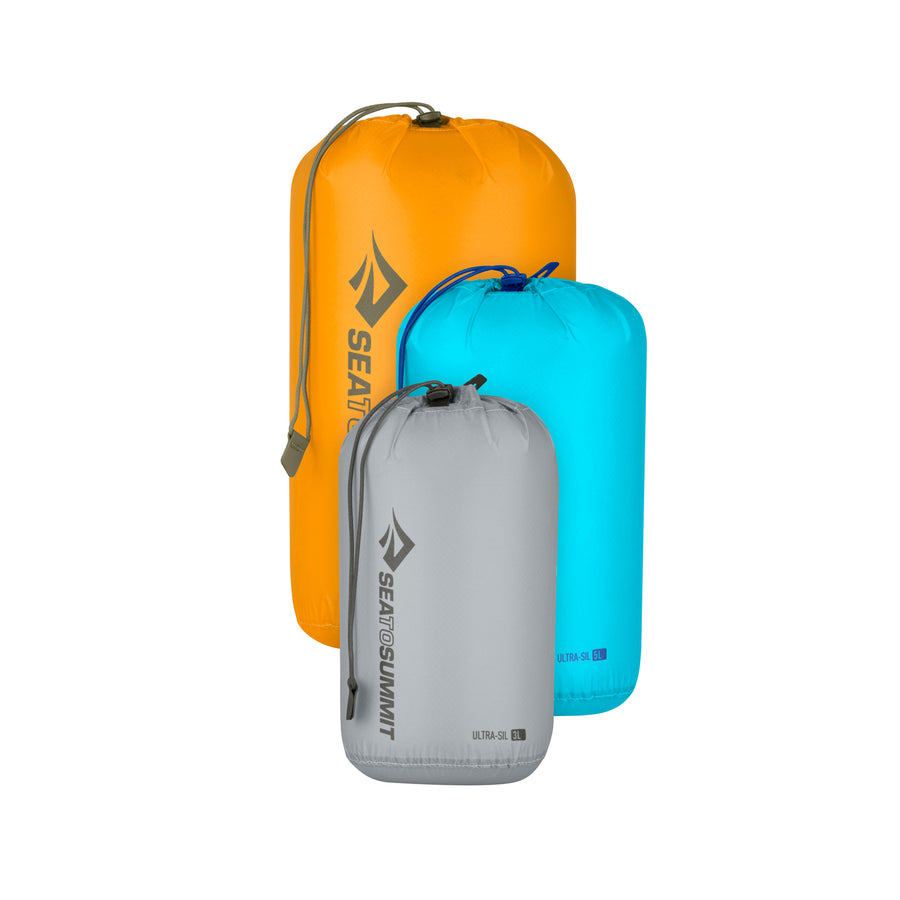
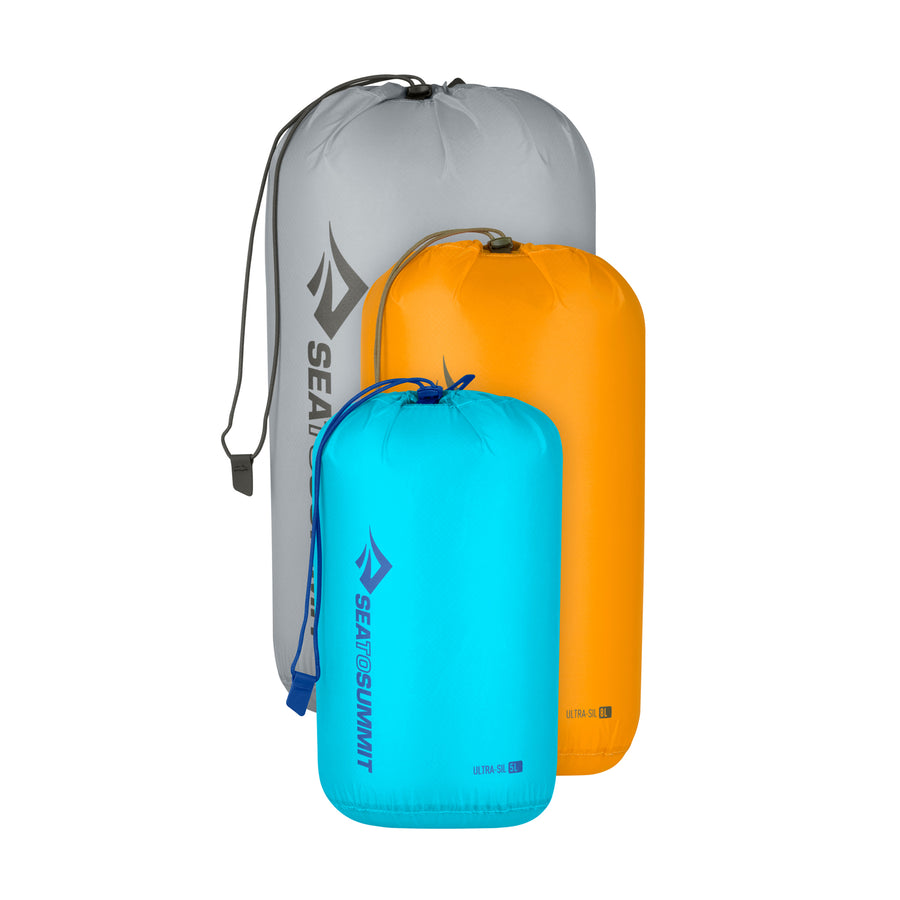
Lightweight Dry Bag First Aid with first aid materials
More information
If you would like to find out more about our August campaign and the project itself, please take a look here. I also documented the project week on Instagram. Feel free to check out our "Give Back" highlight at @seatosummiteu. If you would like to register as a volunteer for one of the 'Bergwaldprojekt' weeks, you can sign up here.
![[12 Pack] || Wilderness Wipes](http://seatosummit.eu/cdn/shop/files/AWWC_WildernessWipes-12PackWhite_PRIMARY-1200x1200-9239c17.jpg?v=1755780879&width=900)
![[8 Pack] || Wilderness Wipes](http://seatosummit.eu/cdn/shop/files/AWWXL_WildernessWipes-8PackWhite_PRIMARY-1200x1200-9239c17.jpg?v=1755780878&width=900)


 United States
 Canada
 Australia
 China
China
 India
India
 Spain
Spain
 United Kingdom